SepticRooter™
Metro Atlanta & North Georgia Septic Experts
 (678) 744-7878
(678) 744-7878
(678) 744-7878
A septic inspection that turns up a problem is stressful for everyone in the transaction. Here's what typically happens — and what your options really are.
(678) 744-7878
 The Short Answer
There's no single Georgia law that says who pays for septic repairs in a real estate transaction. The purchase and sale agreement controls — and most Georgia residential contracts give buyers the right to request repairs during the due diligence period.
In practice: if a pre-purchase septic inspection reveals a failing system, the buyer's agent requests either a price reduction or seller-paid repairs as a condition of closing. Sellers who refuse usually lose the deal. Buyers who waive it inherit the problem.
The cleanest outcome for everyone — seller, buyer, and agent — is a system that's been inspected and serviced before the listing goes live.
Common ScenariosThe most common scenario. The buyer's inspector or a septic contractor finds a problem during due diligence. The buyer requests a credit or repair. Sellers typically either fix it (and document it) or reduce the price by the repair/replacement cost. Deals fall through when sellers refuse and buyers aren't willing to take it on.
Sellers sometimes prefer to offer a closing credit rather than manage a repair during a live transaction. This works if the credit accurately reflects the real repair cost — and buyers should insist on a licensed contractor's written estimate, not a guess.
The cleanest scenario. Seller invests in an inspection and any needed repairs before listing, provides documentation to the buyer's agent, and doesn't lose negotiating position because of a septic surprise during due diligence. Buyers pay more for a problem-free, documented system.
In competitive markets, buyers sometimes waive contingencies including septic inspection. They own whatever they bought. If the system fails after closing, it's their cost — and Georgia courts don't have a lot of sympathy for buyers who chose not to inspect.
Georgia requires sellers to disclose known material defects. A seller who knew about a failing septic system and didn't disclose it can face legal liability after closing. "I didn't know" is a hard defense when the system fails two weeks after closing.
A Note for Real Estate AgentsSeptic surprises are one of the most common deal-killers in Georgia's rural and semi-rural markets — and many of them are preventable.
The most protective move for your seller client is to order a septic inspection before the listing goes live. A $299 inspection that finds a $500 D-box repair saves your deal from blowing up during due diligence. A pre-listing inspection with a clean report is also a marketing asset — you can hand it to buyers' agents and remove a major objection.
For buyer clients: always include a septic inspection contingency. We typically complete inspections within 1–3 business days and can work around most due diligence timelines. We deliver a written report with photos that the buyer's agent can use to negotiate from a documented position.
SepticRooter offers a Flush the Fear agent education class for brokerages across Metro Atlanta. If you'd like to bring it to your office, call us at (678) 744-7878.
What Issues Typically Cost$400–$1,500. Distribution box repair, outlet baffle replacement, and riser installation are common findings that are relatively inexpensive to fix. These should not be deal-killers.
$800–$2,000. Failed effluent pumps are straightforward repairs. If the pump failure also damaged the field, the cost increases.
$2,000–$6,000. A single failed lateral or localized field repair — when the overall field is still viable — is a meaningful cost but not a transaction-ender for most price points.
$8,000–$18,000. A failed field is the most common large-cost discovery. This typically does pause or reshape negotiations — buyers will want a credit or seller-paid repair with permits and inspection.
$10,000–$25,000. Both tank and field. This is the scenario that most often kills transactions when sellers aren't willing to address it.
Good To Know




 More Homeowner Guides
Real answers to the questions Georgia homeowners ask most often.
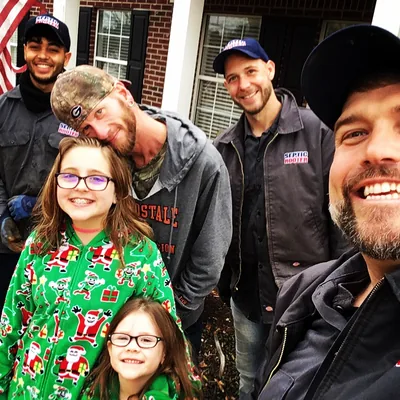
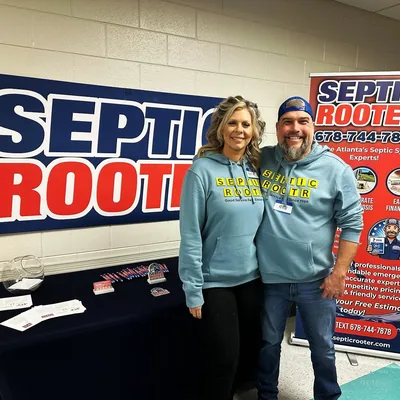
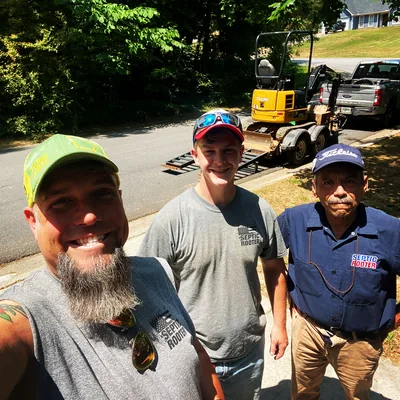
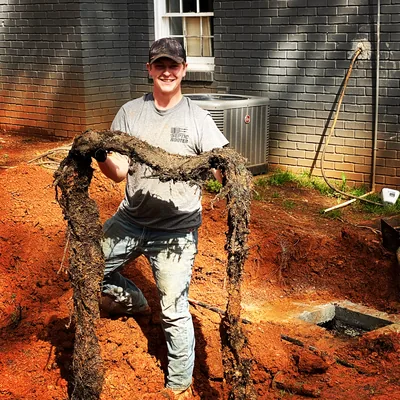
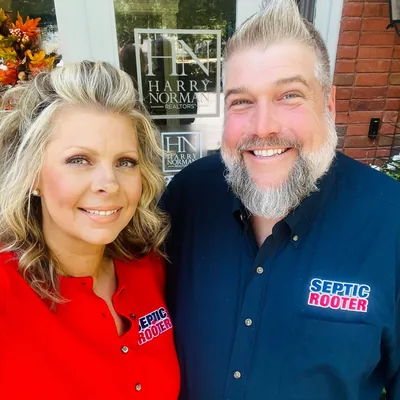
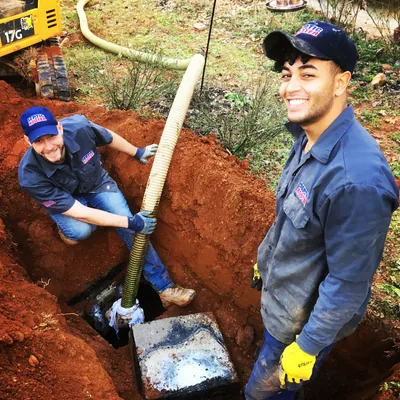
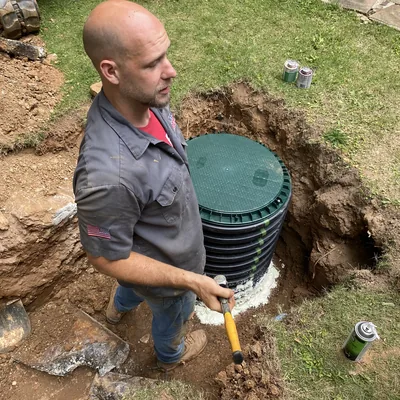
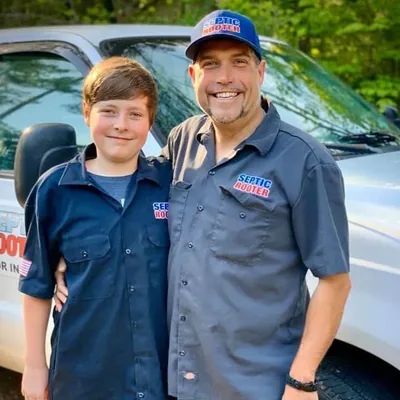
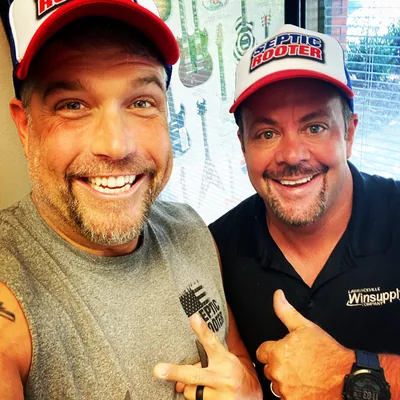
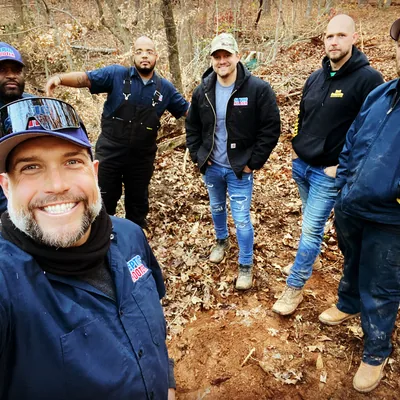
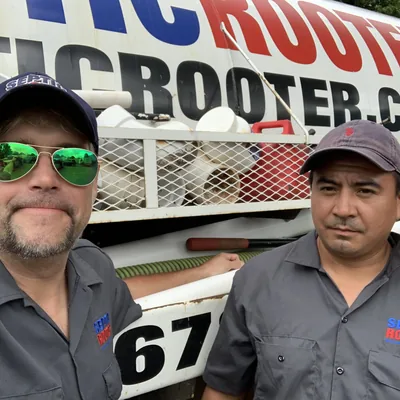
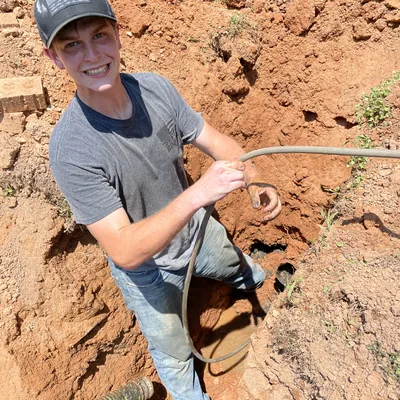
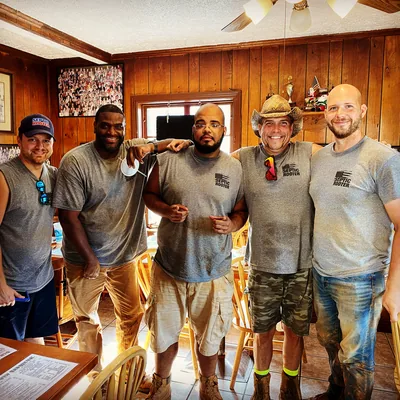
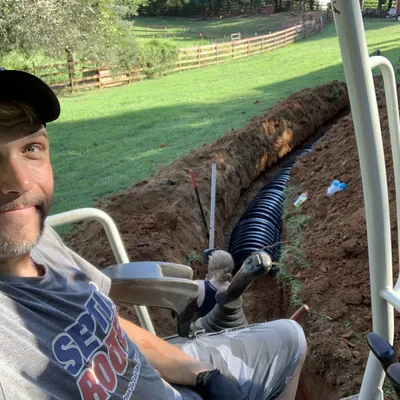
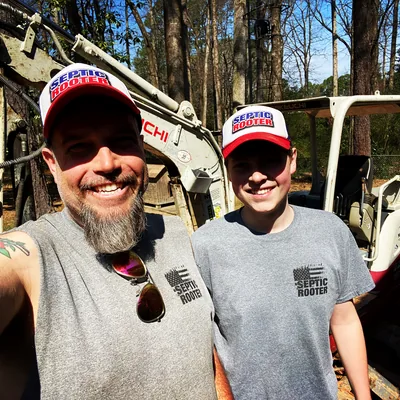
The SepticRooter Family & Crew
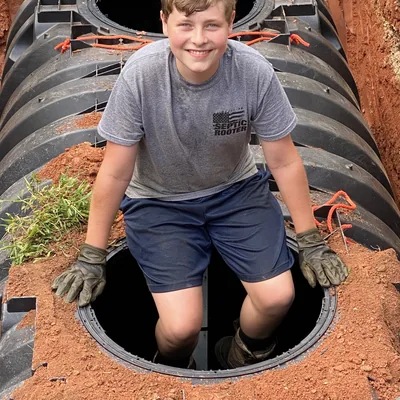
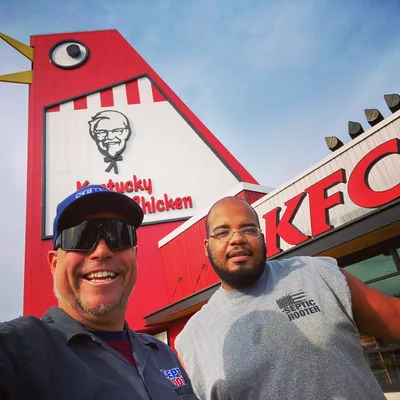
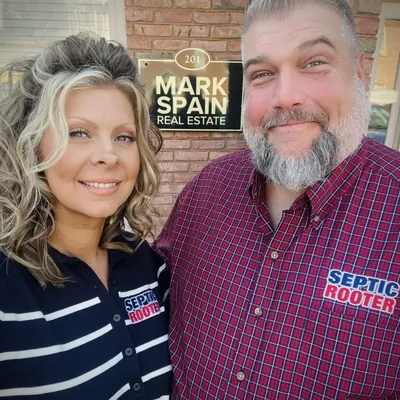
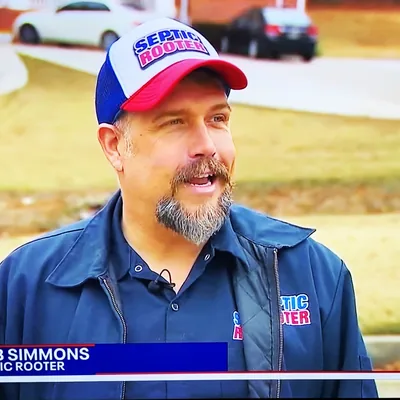




Describe your situation and we'll point you in the right direction — no pressure, no runaround.
(678) 744-7878