
SepticRooter™
Metro Atlanta & North Georgia Septic Experts
 (678) 744-7878
(678) 744-7878
(678) 744-7878
Pumping is routine maintenance — not a diagnostic tool. Here's how to tell whether your system needs a pump-out, a repair, or something else entirely.
(678) 744-7878
 When Pumping Is the Right Call
A tank that's due for routine pumping — 3 to 5 years since the last service — should be pumped regardless of symptoms. This removes accumulated solids before they cause problems. This is the one time you call a pump truck proactively.
Before a septic inspection for a home sale, pumping the tank first lets the inspector see the interior clearly and evaluate baffles, seams, and walls without interference from liquid levels or solids.
If a licensed contractor has diagnosed your system, confirmed the drain field is healthy, and determined the tank is simply full — then pump. In that order.
When Pumping Is the Wrong CallSystem-wide backups mean the problem is downstream of the tank — a clogged D-box, a failed baffle, a saturated field. Pumping empties the tank temporarily, but effluent still has nowhere to go. The backup will return within days.
Surfacing effluent and sewage odor over the drain field mean the field can't absorb water — pumping just creates temporary space in the tank. The field problem doesn't go away.
A pump alarm means an electrical or mechanical failure, not a full tank. Pumping doesn't fix a dead pump motor or a failed float switch.
If you're calling the pump truck again within months of the last service, pumping is masking a real problem. The system can't hold the volume it used to hold — find out why.
The Simple Decision TreeAre multiple drains slow or backing up? → Don't pump yet. Get a diagnosis first.
Is sewage surfacing in the yard? → Don't pump yet. You have a drain field problem.
Is your pump alarm going off? → Don't pump. Call a septic contractor for the electrical/mechanical issue.
Has it been 3–5 years since your last pump-out and no symptoms? → Pump. This is routine maintenance.
Are you about to sell the house? → Pump before the inspection so the inspector can see clearly.
What the Numbers Look LikeAverage pump-out: $700–$900. Backup returns in 2 weeks. Second pump-out: $700. Backup returns again. By the time you call a contractor, the drain field has been under hydraulic stress for months. Repair or replacement is more expensive than it would have been.
Free diagnosis from SepticRooter. Actual problem identified: a clogged D-box. D-box repair: $400–$800. Problem solved. No wasted pump-outs. No escalating damage.
Good To Know




 More Homeowner Guides
Real answers to the questions Georgia homeowners ask most often.
The SepticRooter Family & Crew








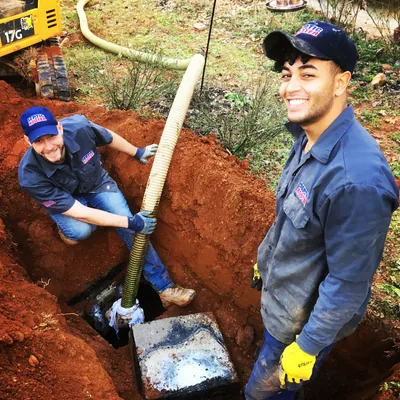
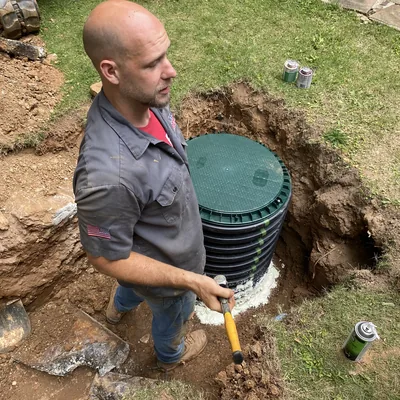
















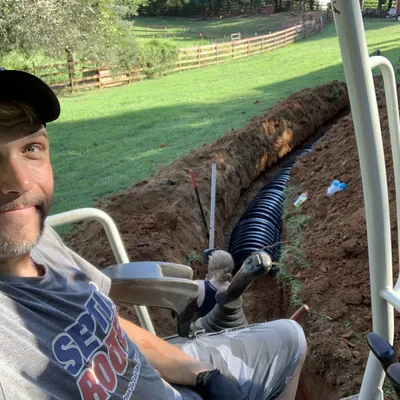



Describe your situation and we'll point you in the right direction — no pressure, no runaround.
(678) 744-7878