
SepticRooter™
Metro Atlanta & North Georgia Septic Experts
 (678) 744-7878
(678) 744-7878
(678) 744-7878
Drain fields don't usually fail without warning. They give you weeks or months of signals — if you know what to look for. Catching it early is the difference between repair and replacement.
(678) 744-7878
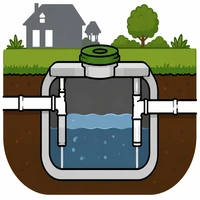 Early Warning Signs
A strip of grass that's greener, thicker, or grows faster than the surrounding lawn directly over where the drain field runs is the earliest sign of effluent reaching the surface. The grass is fertilized by the nutrients in the effluent.
Ground that feels soft, spongy, or holds moisture longer than surrounding areas — even days after rain — indicates the soil is becoming saturated with effluent. This is an early-to-mid failure sign.
A faint sewage smell that comes and goes — strongest in the morning or after heavy water use — indicates gases escaping from near-surface effluent. The smell becomes constant as the field deteriorates.
Early field saturation causes intermittent drain slowness — drains are slow after heavy use but clear when usage drops overnight. This cycle is easy to attribute to other causes but is a classic early field failure pattern.
Late-Stage Signs — Act ImmediatelyPools of water, muddy areas, or visible effluent over the drain field means the soil is completely saturated. The field is in active hydraulic failure. Every gallon of water you use makes it worse.
When multiple drains back up simultaneously — especially the lowest fixtures in the house — the field can no longer accept effluent and the system is backing up into the house. This is an emergency.
Visible, dark, odorous water appearing in the yard above the drain field is untreated or partially treated effluent. This is a health hazard and an environmental violation. Stop all water use and call immediately.
On pump-dosed systems, a drain field in hydraulic failure causes the pump chamber to stay full — because the pump is running but effluent can't drain. The alarm fires repeatedly even after the pump is confirmed working.
Can It Be Repaired or Does It Need Replacement?Not every failing drain field needs full replacement — but the window for repair is narrow. Catching it at the early warning stage gives you the best options.
Situations where repair may work: a single failed lateral in an otherwise healthy field; a clogged or cracked distribution box that's caused uneven loading; a relatively new field (under 10 years) with localized biomat buildup.
Situations where replacement is likely necessary: the field is over 20 years old; multiple laterals have failed; there's visible surfacing across most of the field; the soil has been compacted by vehicle traffic.
The only way to know for certain is a proper assessment — walking the field, probing the laterals, and checking the distribution box. We do this as part of every free diagnostic visit.
What Makes Drain Fields Fail FasterThe single biggest cause of premature field failure. When a tank goes too long without pumping, solids overflow into the field and clog the laterals. A field destroyed by solids cannot be rehabilitated — only replaced.
Heavy vehicles compact the soil, crush the distribution pipes, and destroy the air pockets that allow soil to absorb effluent. Never drive over a drain field.
Roots from trees and large shrubs will infiltrate drain field laterals and clog them over time. Keep large plantings at least 30 feet from the field.
Heavy use of antibacterial soap, bleach, and harsh cleaners kills the bacteria in the tank that break down solids before they reach the field. Reduced bacterial activity means more solids escaping into the laterals.
High-flow showerheads, long showers, large families, and frequent large laundry loads push more volume through the system than it was designed for. The field never gets a chance to dry out and recover between doses.
Good To Know




 More Homeowner Guides
Real answers to the questions Georgia homeowners ask most often.
The SepticRooter Family & Crew











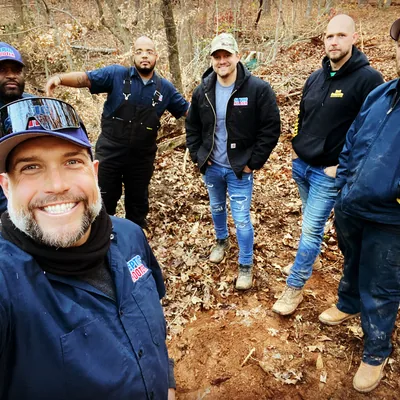


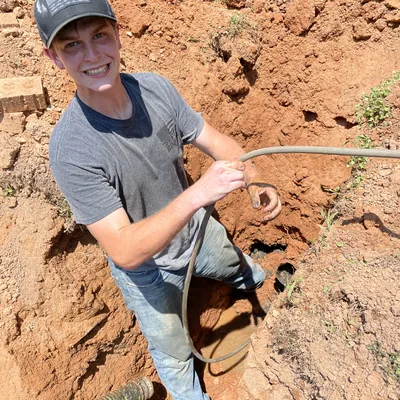

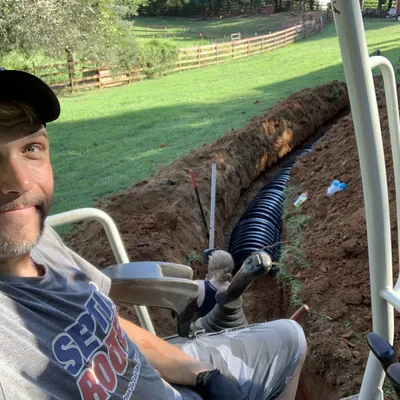

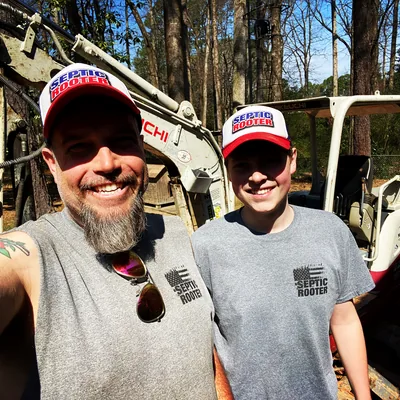

Describe your situation and we'll point you in the right direction — no pressure, no runaround.
(678) 744-7878